
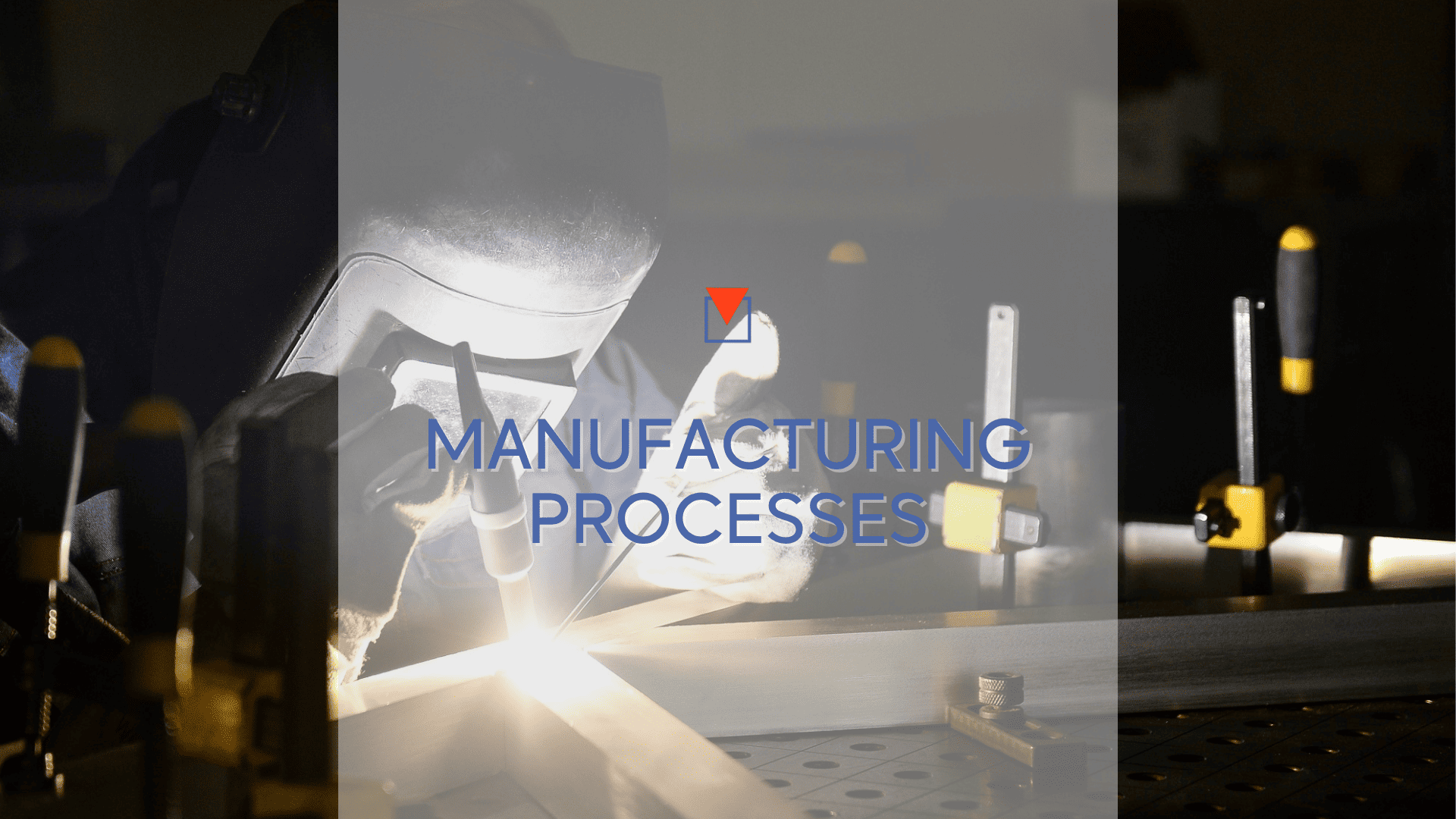
WELDING PROCESSES FOR THE CONSTRUCTION OF STEEL & ALUMINIUM TANKS
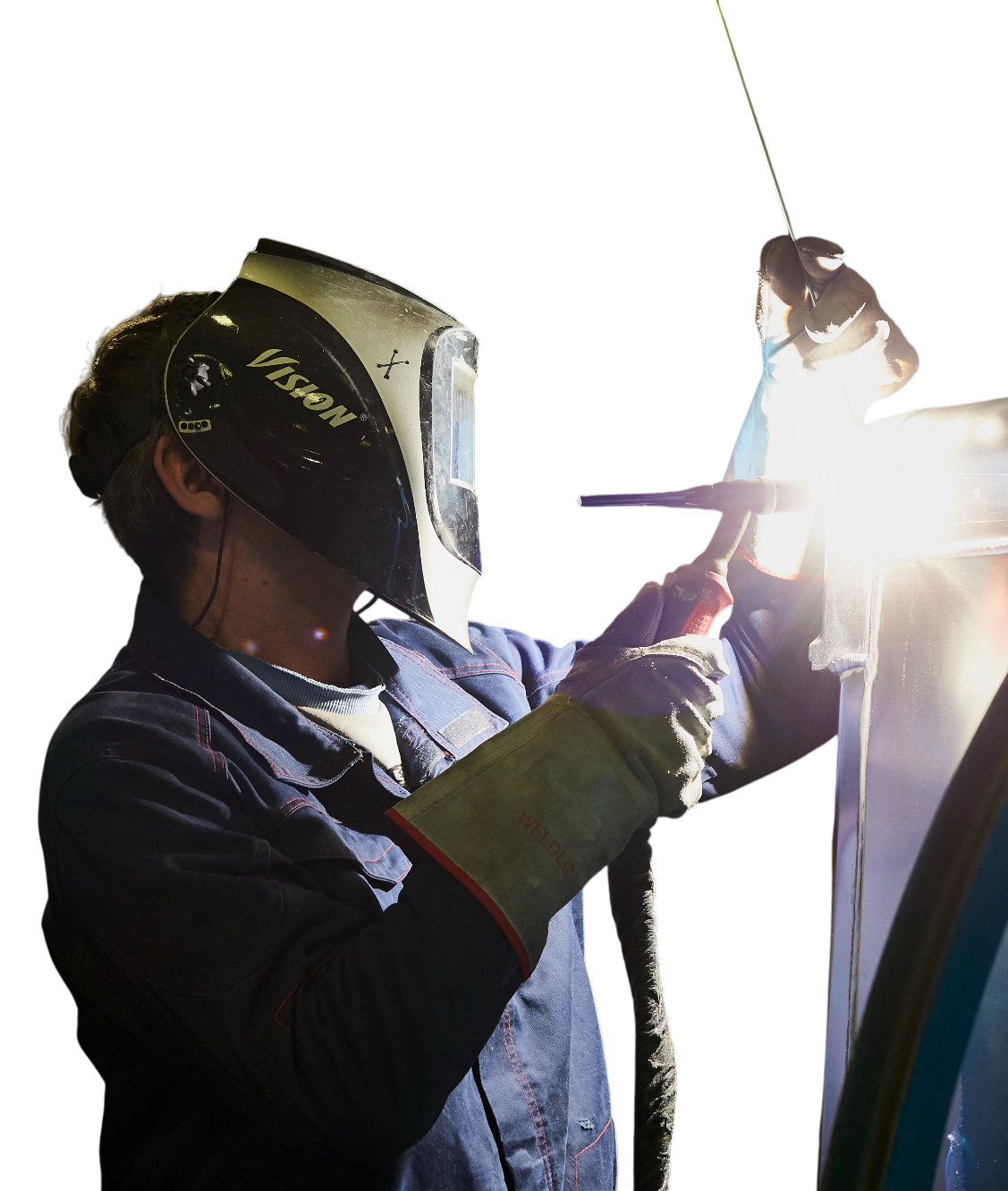
Construction of stainless steel and aluminum tanks
Ginalco Srl has established itself as a leader in the construction of stainless steel and aluminum tanks, thanks to deep specialization in metal transformation processes. Our approach is never standardized because every project follows a strongly tailor-made production model.
We collaborate closely with the client to ensure that the construction of stainless steel tanks responds exactly to personalized technical specifications, combining operational efficiency with millimetric precision.
Manufacturing technologies and processes
To maintain the highest standards in tank construction, we use premium materials and precision technologies. Our production pillars include:
- TIG (Tungsten Inert Gas) welding: An arc process with a non-consumable electrode protected by inert gas. This technique allows for perfect fusion, with or without filler material.
- Stainless Steel: Performed with direct current for maximum strength.
- Aluminium Alloys: We operate with both alternating and direct current for special processes.
- MIG Welding: Ideal for ensuring speed and structural strength on large thicknesses.
- Sheet Metal Finishing: Advanced surface treatments to enhance the durability and aesthetics of the finished product.
Thanks to many years of experience in the construction of stainless steel tanks, Ginalco transforms its customers’ operational needs into tailor-made solutions, where attention to detail and technological innovation come together in a product of excellence.
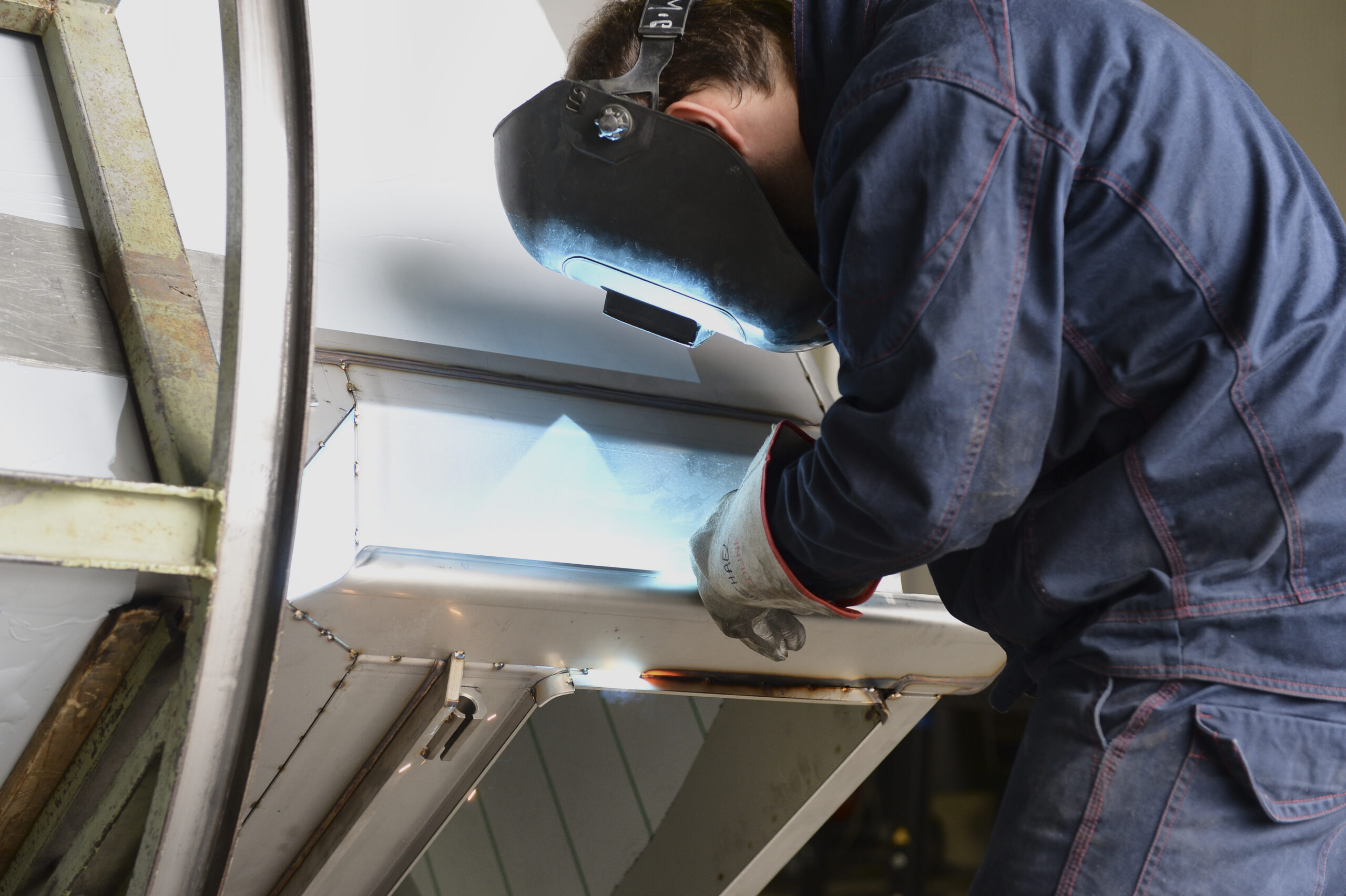
The excellence of tank welding and quality standards
The true heart of Ginalco is tank welding. To ensure structural integrity and unparalleled strength, we employ techniques that exceed market standards.
Our expertise in welding stainless steel and aluminium tanks allows us to tackle the most complex challenges, guaranteeing flawless joints in terms of both aesthetics and functionality. Each stage of the process undergoes rigorous quality controls to ensure maximum compliance with international safety standards.